Protein Leather, Velour, or Fabric: Which Ear Pads Are Better?
Protein leather wipes clean and seals well, velour feels softer on long sessions, and fabric breathes when the pads get hot. None of the three is better at every job. Pick the material for heat, cleaning, and how long you want the cover to last, then buy that pair.
Which ear pad material should you buy?
Buy protein leather when you want a wipe-clean cover and a closer seal. Buy velour when softness matters more than a glossy surface. Buy fabric when pleather gets hot and sweaty. The better material is the one that matches the session, not a universal winner.
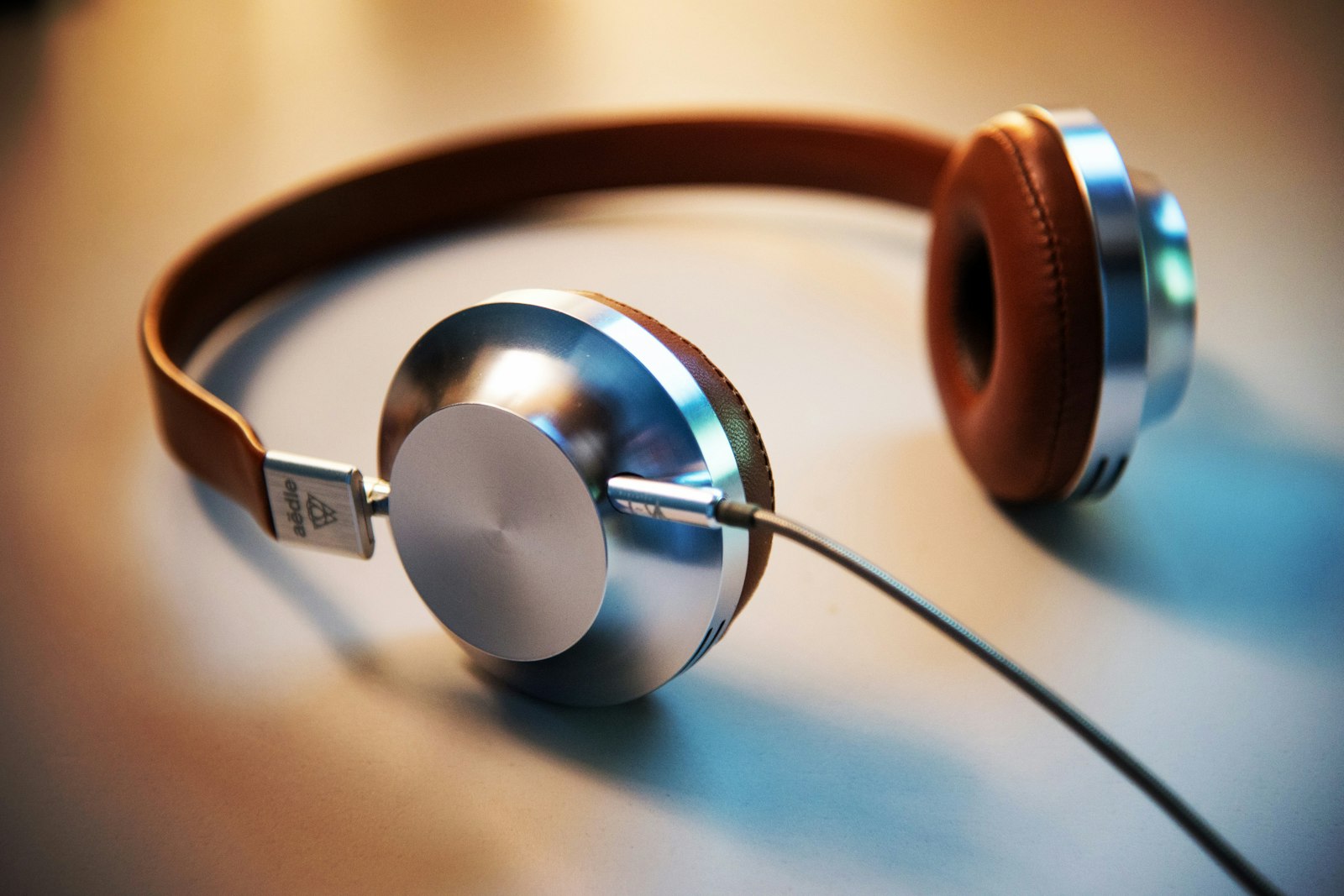
When is protein leather the better cover?
Protein leather is the better cover when you want a surface you can wipe and a seal that stays closed. It is a poor match if the pads get hot, sticky, or sweaty on your face. Pleather is the same family of coated covers.
If you buy protein leather ear pads for headphones, ask for compatible protein leather ear pads so the mount stays the same. The broader search for protein leather velour or fabric replacement ear pads still starts with protein leather ear pads when you want a seal you can wipe. A pleather vs velour ear pads comparison is what you open when velour ear pads or fabric ear pads might fit the session better. Daily use points to protein leather ear pads that hold up for daily wear, including protein leather ear pads that wipe clean after the gym, and dense protein leather ear pads for everyday wear are that same coated family. You would switch from pleather ear pads to velour for softness and easier care, or choose velour ear pads instead of stiff protein leather, when the coated surface is the problem.
When is velour the softer choice?
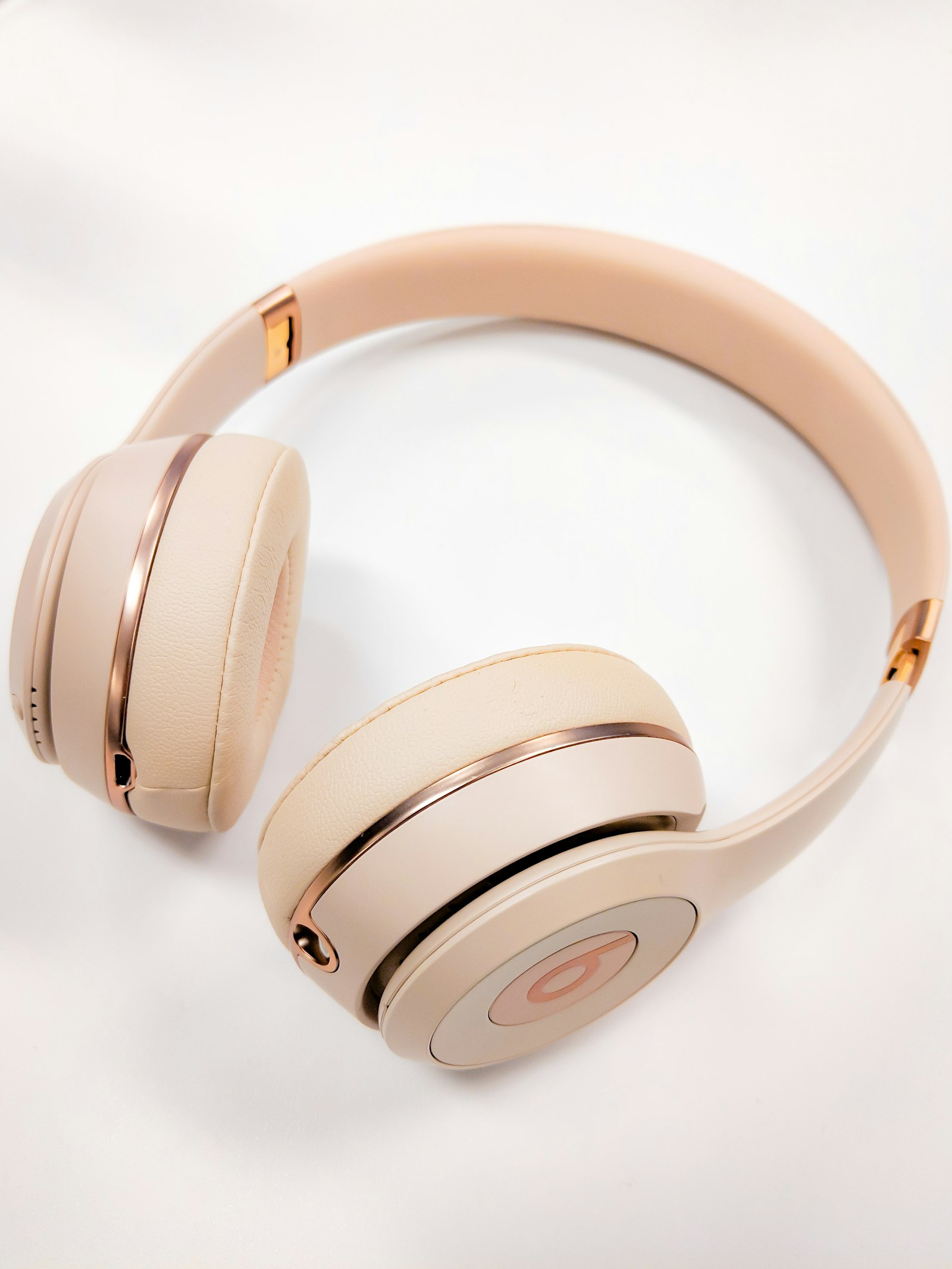
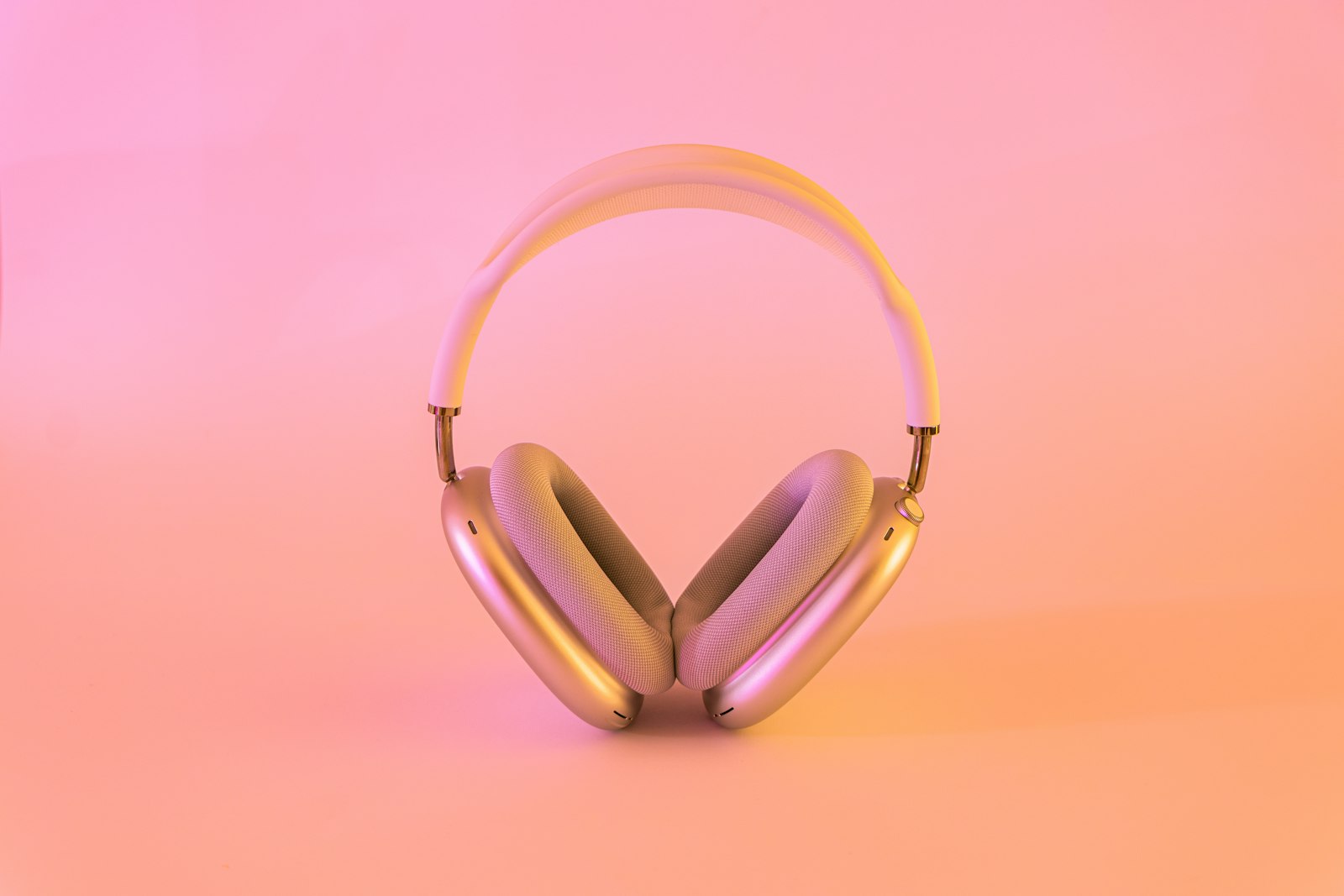
Velour is the softer choice for long sessions and sensitive ears. The pile gives under the clamp where stiff protein leather does not. It traps more dust than a smooth cover, so it is a comfort pick, not a wipe-and-go pick. Shure monitoring pads are a common velour case, and they fit the Shure mount they were cut for.
Shop velour replacement ear pads when you want to buy soft velour ear pads. A velour vs protein leather ear pads comparison comes down to give, not gloss. Velour ear pads sit softer than protein leather ear pads, and fabric ear pads are the breathable third option in a pleather vs velour ear pads decision. The comfort case is velour ear pads for a soft fit on long sessions and soft velour ear pads for sensitive ears. Choose velour ear pads instead of stiff protein leather, or switch from pleather ear pads to velour for softness and easier care. If heat is the complaint, fabric ear pads if pleather gets hot and sweaty are the other path.
When should you pick breathable fabric?
Pick fabric when protein leather gets hot and sweaty. Open weave moves air that a coated cover holds in. Fabric will not feel like leather and it shows dirt sooner, which is the trade for breathability. Urbanears pads are often that cloth family, and a fabric pad from another line is still its own part.

The pair to order is breathable fabric replacement ear pads when you want fabric ear pads instead of pleather. Among protein leather velour or fabric replacement ear pads, fabric ear pads are the ones that move air. A pleather vs velour ear pads debate still leaves velour ear pads and protein leather ear pads on the table for other jobs. Warm rooms call for breathable fabric ear pads for hot weather and for fabric ear pads if pleather gets hot and sweaty. A long desk session suits breathable fabric ear pads for all-day work. The softness pick stays velour ear pads for a soft fit on long sessions, while protein leather ear pads that wipe clean after the gym stay the wipe-clean pick.
Which material stays cooler in a long session?
Fabric stays cooler, then velour, then protein leather. Heat is why a leather-like cover feels fine in a short listen and worse after an hour. If the complaint is sweat, do not buy another coated pair.
Fabric stays cooler. Start with breathable fabric replacement ear pads, or fabric ear pads instead of pleather, when the pads heat up.
Velour is next. You can buy soft velour ear pads if you want some softness and a little more air than a coated cover.
Protein leather holds the most heat.
Fabric ear pads run coolest, velour ear pads sit in the middle, and protein leather ear pads hold heat. That is the useful pleather vs velour ear pads heat order. Sweat is the case for breathable fabric ear pads for hot weather and breathable fabric ear pads for all-day work, as are fabric ear pads if pleather gets hot and sweaty. Comfort without being the coolest step describes soft velour ear pads for sensitive ears. The hottest cover is still where protein leather ear pads that wipe clean after the gym belong.
Which cover is easier to clean, and which lasts?
Protein leather is easier to wipe and often fails by peeling. Velour and fabric last by avoiding that peel, then fail when the pile mats or the cloth holds dirt. Match the material to cleaning and to the damage you already see.
The wipe-clean cover is compatible protein leather ear pads. Gentler cleaning is the job for velour replacement ear pads and breathable fabric replacement ear pads. Protein leather ear pads, velour ear pads, and fabric ear pads age differently, which is the practical pleather vs velour ear pads distinction once cleaning enters the choice. Later peeling still happens with protein leather ear pads that wipe clean after the gym, dense protein leather ear pads for everyday wear, and protein leather ear pads that hold up for daily wear. Dust instead of peel is the trade with velour ear pads instead of stiff protein leather. Dirt sooner, and no peel, is the trade with breathable fabric ear pads for all-day work.
Studio and hi-fi covers split the same three ways. Grado and AKG cushions are often a softer pile, while Focal pairs are sold in leather and in cloth. Pick the material, then match the mount of the model you have.
Which pair should you buy?
Order the material that matches the session: protein leather for a wipe-clean seal, velour for a soft long wear, fabric for heat. Keep the same mount and a similar thickness so the material is the only thing you change.
A product link is published only after fit and catalog are confirmed.
Sponsors
- t.me
- youtube.com
- guru.sanook.com
- intranet.canadabusiness.ca
- mitsui-shopping-park.com
- stilno.justclick.ru
- kaskus.co.id
- reporting.breakfreeholidays.co.uk
- downcheck.tulihost.com
- survivalmonkey.com
- fahrradmonteur.de
- wiki.bzflag.org
- thickcash.com
- elibrary.suza.ac.tz
- beta.novell.com
- nekotuna.hatenadiary.jp
- geomorphology.irpi.cnr.it
- feedroll.com
- community.bvp.com
- accounts.esn.org
FAQ
Are protein leather, velour, or fabric ear pads better?
No single material wins. Protein leather wipes clean and seals, velour is softer, and fabric breathes when pads get hot.
What is the difference between protein leather and pleather?
Both are coated covers rather than a woven cloth. They wipe clean, seal well, and tend to peel or crack as they age.
Which ear pads are better for sensitive ears?
Velour is the usual soft choice. Stiff protein leather is the cover people leave when the surface feels hard.
Which ear pads stay cooler?
Fabric moves more air than velour, and velour stays cooler than protein leather. Buy fabric if sweat is the complaint.
Which ear pads are easier to clean?
Protein leather wipes clean. Velour and fabric hold dust and need a gentler clean, and they should be replaced when the dirt is in the pile.
Can I switch materials on the same headphones?
Yes, if the mount, width, height, and thickness still match. Changing only the material is the point of this choice.